

australian coins list and value pdf free download
Download your free Australian Coins List & Value Guide PDF. Discover coin values, rare coins, and collectible treasures. Instant access, no cost!
Australian coins embody the nation’s heritage, featuring iconic wildlife, historical milestones, and cultural narratives. As a key element of Australia’s financial identity, these coins cater to both everyday use and numismatic passion. For collectors seeking comprehensive resources, free PDF guides from the Royal Australian Mint and reputable numismatic platforms provide detailed coin lists, valuation metrics, and collecting tips. These resources illuminate the journey from circulation to collectibility, bridging history and modernity in Australia’s coinage legacy.
Historical Development of Australian Coinage
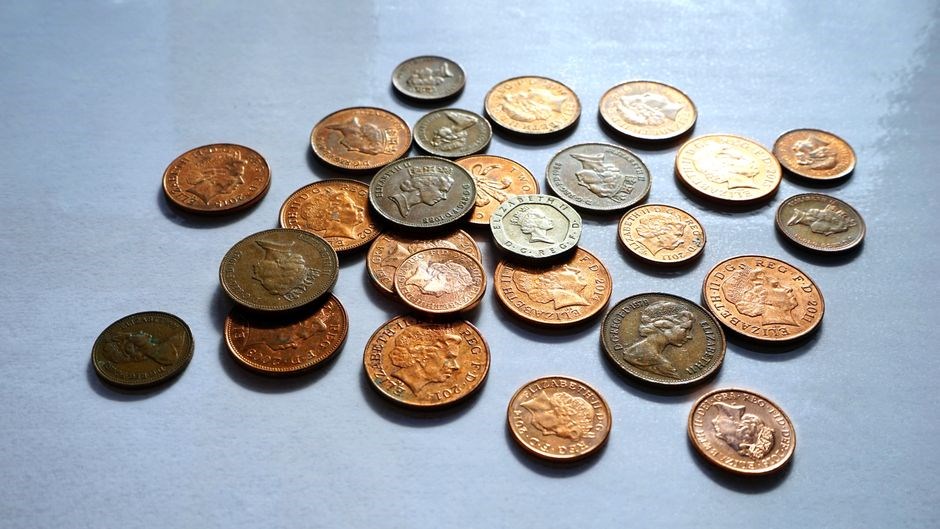
Australia’s coinage history began with the arrival of European settlers in 1788, who initially used foreign currencies, including Spanish dollars and British coins. Following Federation in 1901, the push for a unified monetary system gained momentum. The first distinctly Australian coins were introduced in the 1930s, featuring iconic designs like the penny (1d) and florin (2d), with notable errors such as the rare 1930 Penny becoming legendary in numismatics. The transition to decimal currency in 1966 marked a pivotal shift, introducing the dollar and cent system. The Royal Australian Mint, established in 1963, played a central role in this evolution, producing coins that reflected national identity, from wildlife motifs to historical commemorations. Free PDF guides from the Royal Australian Mint and numismatic archives detail this journey, offering collectors insights into design changes, metal compositions, and production milestones that shaped Australia’s numismatic legacy.
- Pre-Federation Era: Reliance on British and foreign coins.
- 1930s: First Australian-denominated coins (e.g., 1930 Penny).
- 1966: Decimalization introduced $1, $2, and cent denominations.
- 1963: Establishment of the Royal Australian Mint in Canberra.
These resources are critical for understanding the historical context behind coins, bridging past and present for enthusiasts and researchers alike.
Significance of Australian Coins in Global Numismatics
Australian coins hold a distinctive place in global numismatics, celebrated for their innovative designs, thematic diversity, and cultural storytelling. The integration of Indigenous motifs, unique wildlife (e.g., kangaroos, koalas), and historical narratives resonates with international collectors, fostering a bridge between Australia’s heritage and worldwide enthusiasts. Free PDF guides from the Royal Australian Mint and platforms like PCGS highlight Australia’s contributions, such as pioneering colourised coins, precious metal series (e.g., Lunar Program), and error coins like the 1930 Penny, which command global attention. These resources underscore how Australian numismatics balance artistic excellence with historical depth, attracting scholars and hobbyists alike.
- Global Appeal: Thematic coins (e.g., Outback, Maritime Heritage) cater to diverse collector interests.
- Innovation: Use of technology like holograms and gemstone inlays sets benchmarks in coin craftsmanship.
- Market Influence: High-demand series (e.g., Kookaburra, Emu) feature in international auctions and catalogs.
- Educational Value: PDF guides decode cultural symbolism, aiding global understanding of Australia’s identity.
Australia’s coins transcend mere currency, serving as ambassadors of national pride and catalysts for cross-cultural exchange in the numismatic world.
Circulating Coins (1¢ to $2 Denominations)
Australian circulating coins, spanning 1¢ to $2, are foundational to daily commerce and cultural representation. These coins blend practicality with symbolic design, often showcasing native wildlife and national emblems. The 1¢ and 2¢ (historically copper-colored, featuring the platypus) were discontinued in 1992 but remain legal tender. Current denominations include 5¢ (echidna), 10¢ (kookaburra), 20¢ (emu), 50¢ (seven coins motif or commemorative designs), $1 (kangaroo, gold-colored), and $2 (bimetallic, with rotating thematic designs). Free PDF guides from the Royal Australian Mint provide exhaustive details on specifications, mintage numbers, and design evolution, empowering users to identify and understand these coins’ roles in Australia’s financial and cultural narrative.
- Materials: Cupro-nickel (20¢, 50¢, $1), bimetallic ( $2), nickel-brass (5¢, 10¢).
- Design Themes: Wildlife (kangaroo, emu), historical symbols (Commonwealth Star), and periodic commemorations.
- Accessibility: Braille and tactile features for visually impaired users in newer $1 and $2 coins.
These coins not only facilitate transactions but also serve as portable artifacts of Australian identity. The Mint’s downloadable resources ensure transparency, offering collectors and citizens alike a clear window into the craftsmanship and history behind everyday currency.
Commemorative Coins and Special Edition Releases
Commemorative and special edition Australian coins celebrate significant events, cultural icons, and historical milestones, often crafted with premium materials like silver, gold, or innovative design elements. These coins transcend everyday currency, serving as collectible artifacts and investment vehicles. The Royal Australian Mint and Perth Mint regularly release themed series, such as the Australian Wildlife Series, ANZAC Day commemorations, or astronomical themes, frequently incorporating color, holograms, or unique shapes. Free PDF guides from official mints and numismatic archives detail issuance years, limited mintage numbers, and technical specifications, aiding collectors in identifying rare or valuable pieces. For instance, the Perth Mint’s annual Lunar Series coins, featuring zodiac animals with intricate detailing, are globally sought after, with downloadable resources outlining their market trends and collector appeal.
- Materials: Silver (99.9%, 1 troy oz standard), gold (22kt, 0.5 troy oz), platinum, or hybrid compositions.
- Design Innovations: Glow-in-the-dark elements, diamond accents, or micro-engraving (e.g., the 2023 $5 Silver Koala with holographic foil).
- Thematic Focus: Historical events (e.g., Centenary of ANZAC), environmental advocacy, or partnerships with global franchises (e.g., Star Wars).
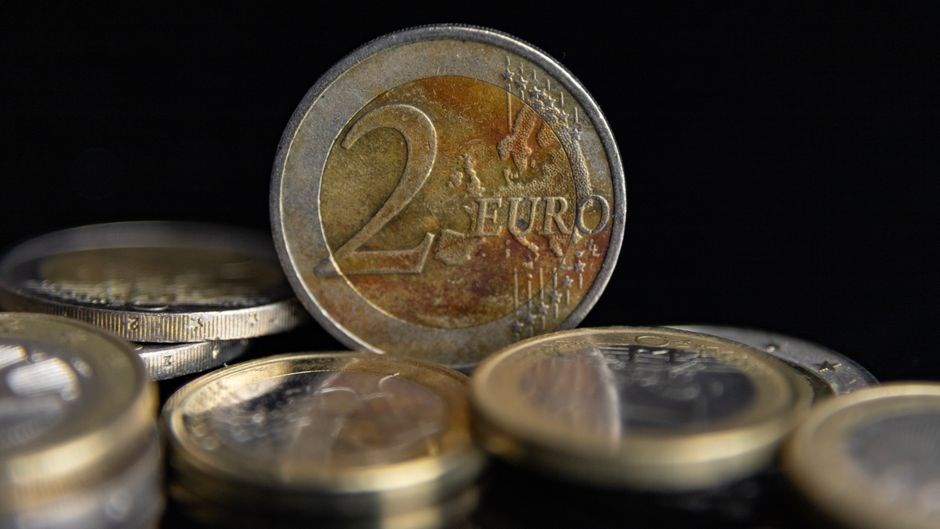
These coins often straddle the line between art and currency, with official PDF catalogs from mints and third-party platforms like Numismatist Online providing valuation benchmarks and release schedules. Collectors are advised to verify authenticity through mint-certified documentation, accessible via free downloads, ensuring their investments align with verified provenance and quality standards.
Rare and High-Value Coins (e.g., 1930 Penny, Florin Errors)
Australia’s rarest coins often stem from production errors, ultra-low mintage, or historical scarcity, making them prized by collectors and investors. The 1930 Penny, with only 3,000 minted, is a landmark example, frequently valued at $100,000+ in fine condition due to its role in Australia’s Great Depression-era coin shortages. Similarly, Florin Errors (e.g., 1937 Dot Florin, 1954 Corinna Florin) command premiums because of mis strikes, omitted dies, or unique design quirks. Free PDF guides from numismatic societies and auction houses like Heritage Auctions catalog these anomalies, detailing grading criteria and sale histories.
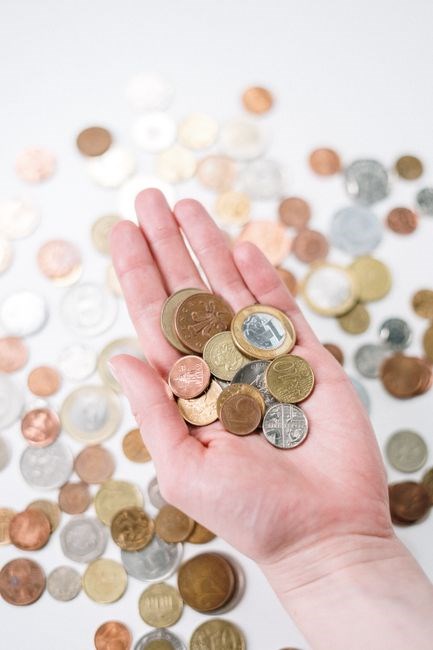
- 1930 Penny: Mintage of 3,000; value tied to preservation of original luster and absence of wear.
- 1953 Crown Double Die Obverse: A rare error coin, with examples selling for over $50,000 in graded MS-65 condition.
- 1938 Coronation Florin: Only 40,000 issued, often undervalued but sought after for completeness in pre-war sets.

Valuation hinges on rarity (population census), condition (third-party grading like PCGS/NGC), and market demand. The Numismedia Price Guide (available as a free PDF) provides baseline estimates, though auction results from platforms like CoinWeek often reflect real-time value shifts. Collectors are cautioned to cross-reference multiple sources, as high-value coins are susceptible to counterfeiting—official mint archives and dealer networks offer authentication resources via downloadable PDFs.
Official Australian Mint Publications and Catalogs
The Royal Australian Mint offers free downloadable PDF catalogs and publications, providing authoritative insights into Australian coins. Key resources include the Annual Coin Catalogue, detailing denominations, designs, and mintage figures, and Commemorative Coin Brochures, which explore historical themes and artistic processes. The Mint’s Historical Coin Archives digitize vintage publications, offering rare data on early coinage, while Mintage Figures Reports update collectors on production quantities. Access these via the official website’s “Publications” section, where users can filter by year, series, or theme. For comprehensive value lists, the Australian Coin Valuation Guide (updated quarterly) is available as a PDF, though it requires free account registration. Avoid third-party mirrors; always download directly from the Mint’s secure server to ensure authenticity and avoid malware risks.
- Annual Coin Catalogue: Lists all circulating and commemorative coins with technical specifications.
- Commemorative Coin Brochures: Explores storytelling behind special releases (e.g., Olympic, Jubilee coins).
- Historical Coin Archives: Includes 1966 transition-to-decimalization documents and error-coin analyses.
- Mintage Figures Reports: Tracks limited-edition coin production, critical for rarity assessments.
Trusted Online Archives and Educational Platforms
For free Australian coin resources beyond official channels, reputable online archives and educational platforms offer valuable insights. The Internet Archive hosts historical coin catalogs, including rare digitized texts on Australian numismatics. Educational platforms like Academia.edu feature academic papers analyzing coinage trends, while Australian Museum’s online collections contextualize coins within cultural history. The International Numismatic Society provides open-access journals with valuation methodologies. Forums such as CoinForums include member-generated PDF checklists and error-coin discussions. For structured learning, Coursera partners with universities to offer numismatics courses (free audit options available). Always prioritize platforms with peer-reviewed content or institutional backing to ensure accuracy.
- Internet Archive: Digitized Australian coin references, including 20th-century mint records.
- Academia.edu: Research on decimalization impacts and regional coin circulation patterns.
- CoinForums: Community-driven PDF guides on grading, storage, and rare variety identification.
Tips for Safe and Legal PDF Downloads
Ensuring the security and legality of downloaded Australian coin PDF resources is critical. Always verify the credibility of the source—opt for official numismatic institutions, academic repositories, or well-established educational platforms. Avoid websites with excessive pop-ups, unclear privacy policies, or requests for sensitive personal information. Use antivirus software to scan files before opening them, and ensure your PDF reader is updated to prevent vulnerabilities. Confirm that downloads are explicitly labeled as free for public use or fall under Creative Commons licensing to avoid copyright infringement. For historical documents, platforms like Internet Archive legally host out-of-copyright materials. When sharing files, adhere to terms of use—many free guides prohibit commercial redistribution. Use a VPN on public Wi-Fi to encrypt your download activity and protect against data breaches. Regularly back up downloaded files to prevent loss from device malfunctions or ransomware attacks.

- Check URLs: Legitimate sites often use secure connections (https://) and official domain extensions (e.g., .gov, .edu).
- Avoid Torrent Sites: These frequently distribute pirated content and expose users to legal risks.
- Review Metadata: PDF properties should include clear authorship and publication dates to confirm authenticity.
- Use Sandbox Environments: Open suspicious files in isolated virtual machines to prevent system contamination.
- Report Illegal Sites: Flag unauthorized repositories to authorities like Australia’s Attorney-General’s Department.
Understanding Coin Valuation and Pricing
Valuing Australian coins involves rarity, condition, and demand. The 1930 Penny is prized for scarcity. Grading (PCGS, NGC) determines condition value, with MS-65+ coins commanding premiums. Demand for thematic coins and auction trends guide pricing, supported by free PDFs.
Key Factors Influencing Coin Value (Rarity, Condition, Demand)
The rarity of Australian coins, such as the elusive 1930 Penny or error coins like misprinted Florins, drastically impacts value due to limited circulation and historical significance. Condition is equally critical, with coins graded MS-65+ (Mint State) retaining higher worth than worn specimens; even minor scratches or toning can reduce pricing. Demand fluctuates based on collector trends, thematic appeal (e.g., wildlife or jubilee designs), and global economic factors. Free PDF guides from the Royal Australian Mint and numismatic platforms often detail these dynamics, offering collectors data-driven insights to navigate valuation complexities. For instance, coins tied to national events or featuring iconic motifs (e.g., kangaroos, centennials) often see surges in demand, further illustrating how cultural relevance intersects with market forces.
Market Trends and Auction Insights
The Australian coin market has seen a surge in demand for rare and thematic issues, with auction prices for coins like the 1930 Penny and 1927 Florin exceeding AUD 100,000 in recent sales. Online platforms such as Heritage Auctions and Noble Coins highlight trends where error coins (e.g., double strikes, misaligned dies) and low-mintage releases (e.g., 2019 Baby Animal Coins) attract fierce competition. Notably, themed collections tied to events like the 2023 Coronation of King Charles III or Australian Wildlife Series often see immediate premium pricing. Free PDF guides from numismatic societies and auction houses frequently analyze these trends, offering collectors real-time data on emerging collectibles and investment-grade pieces. For instance, the Royal Australian Mint’s Annual Reports detail mintage figures and collector preferences, while third-party platforms provide auction result archives, enabling users to track value fluctuations and regional demand patterns.